

Most businesses obsess over traffic growth.
They invest in SEO, paid ads, social media, partnerships, and content. Dashboards fill up with impressions, clicks, and sessions. Yet revenue often grows slower than expected, even as traffic increases.
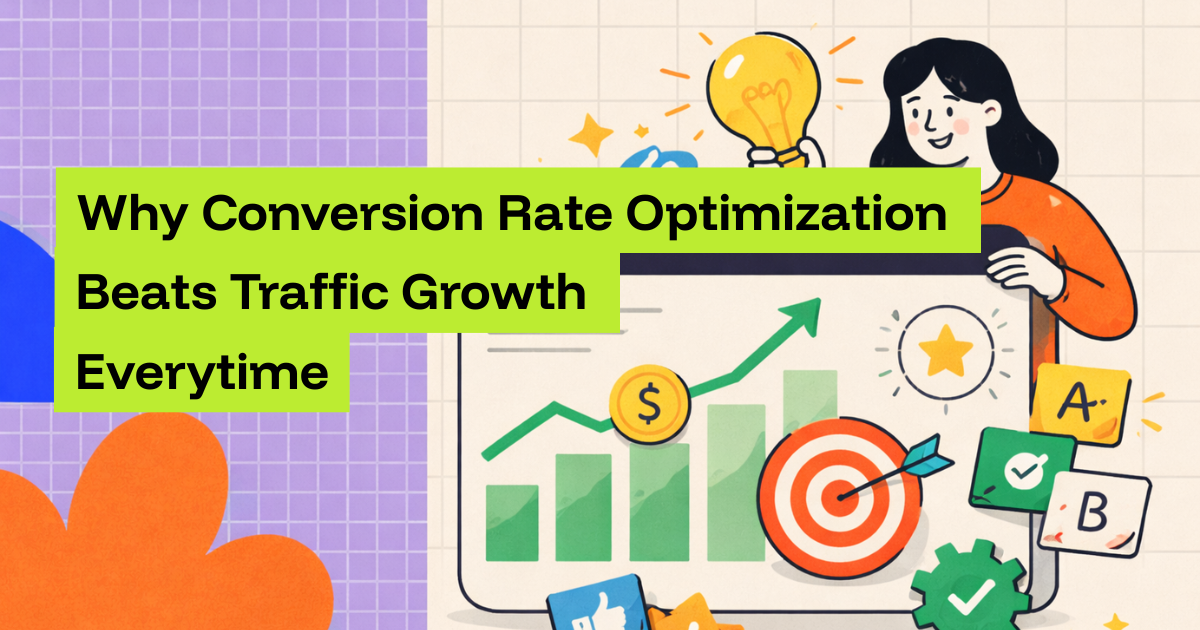
This is where conversion rate optimization quietly becomes the difference between stagnant growth and scalable performance.
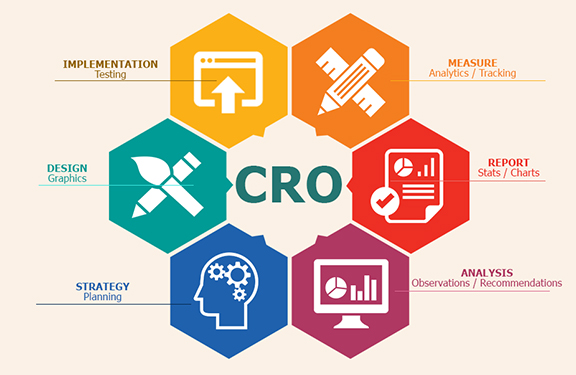
Conversion rate optimization, commonly referred to as CRO, focuses on improving the percentage of website visitors who take a meaningful action. That action might be purchasing a product, requesting a demo, signing up for a trial, or submitting a lead form.
Instead of spending more to attract new visitors, CRO extracts more value from the traffic you already have.
According to industry research from multiple analytics providers, the average website conversion rate across industries sits between 2 percent and 3 percent. Top-performing websites often convert two to five times higher than the average, without necessarily having more traffic.
The gap is rarely explained by traffic quality alone. It is explained by how well the experience converts.
What is conversion rate optimization?
Conversion rate optimization is the systematic process of improving a website or digital experience so that more users complete a desired action. Conversion optimization is a broader discipline that encompasses conversion rate optimization, focusing on best practices and strategies to enhance user experience, optimize landing pages, and align content with user intent.
CRO is not about random tweaks or visual preference. It is a data-informed discipline that combines:
- User behavior analysis
- Experimentation and testing
- UX and usability improvements
- Messaging and copy optimization
- Trust and credibility building
- Conversion rate optimization techniques
- Conversion process
When done correctly, CRO creates a feedback loop. You learn how users behave, test hypotheses, measure results, and iterate. The conversion rate optimization process is a structured methodology that involves analyzing metrics, understanding user behavior, and implementing targeted improvements on high-value pages. Over time, small improvements compound into substantial revenue gains.
A study by Invesp found that companies running structured CRO programs are more than twice as likely to see large ROI increases compared to those making ad hoc changes. Measuring CRO success relies on tracking key metrics, implementing conversion tracking, and monitoring average order value to evaluate performance and ROI. CRO also helps lower customer acquisition costs by increasing the percentage of visitors who convert, improving ROI without increasing traffic.
Optimizing the web form is a common CRO tactic, as completing a form is often a key desired action that impacts overall website performance and effectiveness.
Website performance and search engine optimization are also critical in the context of CRO, as they improve user experience, drive targeted traffic, and work together to boost conversions and sales.
Ultimately, conversion rate optimization is important for digital marketing success because it maximizes the value of your existing traffic and resources.
Why conversion rate optimization matters more than traffic growth
Traffic growth has diminishing returns. CRO compounds.
Consider two scenarios:
- Website A gets 50,000 monthly visitors with a 2 percent conversion rate
- Website B gets the same traffic with a 3 percent conversion rate
That single percentage point difference represents a 50 percent increase in conversions, without any increase in ad spend, content production, or SEO effort. By focusing on conversion rate optimization, you can significantly increase the number of paying customers and leads generated from the same amount of website traffic.
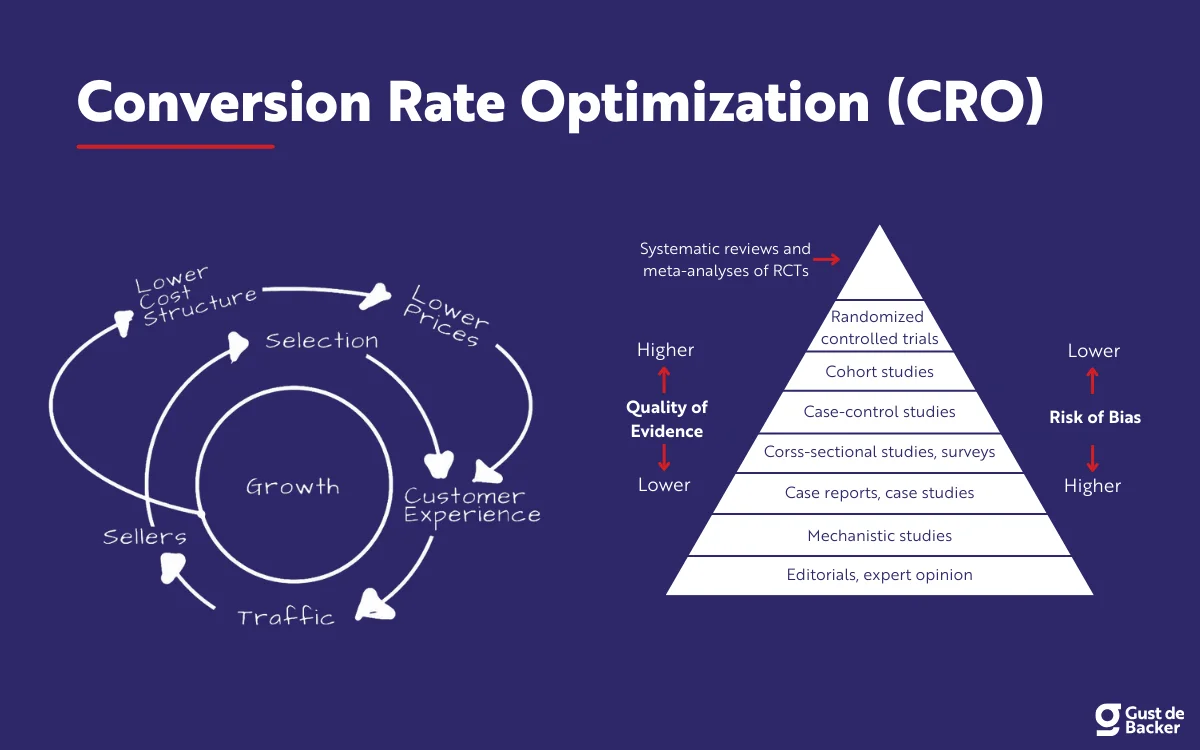
Your website's conversion rate is a key metric for measuring how effectively your site turns visitors into customers or leads.
In paid acquisition channels, CRO directly lowers customer acquisition cost. In organic channels, it increases the ROI of every ranking page. In email and lifecycle marketing, it improves engagement and revenue per subscriber. CRO also impacts website traffic and organic traffic by ensuring that more of your visitors from these sources convert into valuable actions.
According to research by Econsultancy, businesses that prioritize conversion rate optimization are more likely to report higher marketing ROI than those that focus primarily on acquisition.
Yet many teams delay CRO until later, assuming it only matters at scale. In reality, CRO is most powerful when applied early to your own website, because improvements affect every future visitor and accelerate growth from the start.
To summarize, implementing conversion rate optimization strategies and maintaining ongoing conversion rate optimization efforts are essential for sustained business growth and maximizing the value of your website traffic.
Calculating conversion rate
Understanding how to calculate your conversion rate is foundational to any successful conversion rate optimization (CRO) process. This metric reveals how effectively your website visitors are completing a desired action, whether that’s making a purchase, signing up for a newsletter, or requesting a demo. By quantifying the percentage of users who convert, you gain a clear view of your website’s performance and can identify where your optimization efforts will have the most impact.
.webp)
To start, it’s essential to define what counts as a conversion for your business. For ecommerce sites, a macro conversion might be a completed purchase, while for B2B companies, it could be a lead form submission. Micro conversions, such as adding a product to a cart or downloading a resource, are also valuable to track, as they signal user engagement and progress along the conversion funnel.
Once your conversion goals are set, analytics tools like Google Analytics make it straightforward to monitor both the number of conversions and the total website visitors over a given period. The conversion rate is then calculated by dividing the number of conversions by the total number of visitors, and multiplying by 100 to express it as a percentage. For example, if your landing page receives 2,000 visitors and 60 of them complete your desired action, your conversion rate is (60 / 2,000) x 100 = 3%.
Regularly tracking this metric allows you to spot trends, measure the impact of your CRO strategies, and compare your performance to the average conversion rate in your industry. It also helps you pinpoint which product pages, campaigns, or segments of your user journey are driving the most conversions and which may need further optimization.
Calculating conversion rates isn’t just about reporting; it’s about fueling a systematic process of improvement. By analyzing where users engage or drop off, you can prioritize CRO techniques such as streamlining web forms, optimizing product pages, displaying security badges, or leveraging social proof to boost conversions. User feedback and qualitative data analysis can further illuminate pain points and opportunities along the conversion path.
Ultimately, a disciplined approach to calculating and monitoring your conversion rate empowers you to make data-driven decisions, refine your CRO strategy, and maximize the value of your existing traffic. As you iterate and improve, you’ll not only increase conversions and revenue, but also enhance your website’s visibility and performance in search engine rankings, making conversion rate optimization a cornerstone of your digital marketing success.
Common conversion rate optimization challenges
Despite its impact, CRO is notoriously underutilized. The reasons are consistent across industries. Effective conversion rate optimization tools are essential to address these common challenges and help teams analyze website performance, understand visitor behavior, and test changes to improve conversions.
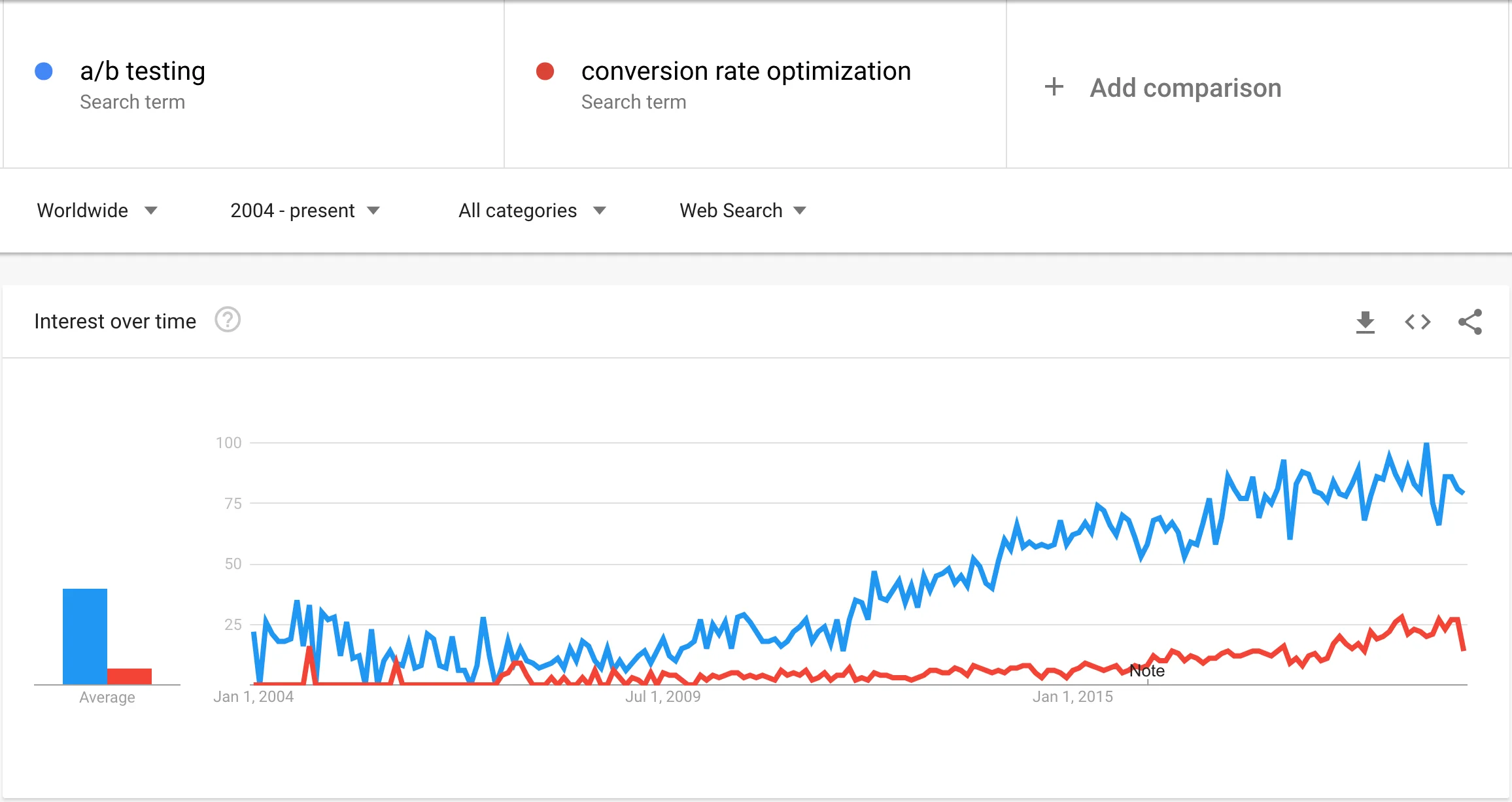
Data without insight: Many teams collect vast amounts of data but struggle to translate it into actionable insights. To overcome this, user research, user segmentation, and analysis of user interactions such as heatmaps, session recordings, and engagement metrics are crucial for understanding user behavior and identifying opportunities for optimization.
Testing complexity: Running experiments can be technically challenging and resource-intensive. It’s important to conduct a proper CRO test to accurately measure the impact of changes. Ongoing CRO efforts, including continuous testing and analysis, are necessary to drive meaningful improvements in conversion rates.
Lack of ownership: CRO often falls between marketing, product, and analytics teams, leading to unclear responsibility and slow progress.
Core elements that drive conversion rate optimization results
While CRO strategies differ by business model, high-converting experiences share consistent traits. Understanding your target audience and potential customers is essential for effective conversion rate optimization, as it allows you to tailor your approach to those most likely to take action.

A strong value proposition is crucial, but it’s equally important to tailor your messaging to convert visitors by addressing their specific needs and motivations.
Reducing friction throughout the conversion process such as simplifying forms, improving navigation, and streamlining checkout can significantly improve conversions.
Building trust and credibility with clear policies, testimonials, and security signals encourages visitors to take action and move further down the funnel.
A clear, compelling call to action is vital. To maximize results, optimize landing pages to ensure your call to action stands out and drives user engagement.
Clear value propositions
Users decide whether to stay or leave within seconds. Nielsen Norman Group research shows users often form an impression in under 10 seconds.
High-performing pages clearly answer:
- What is this?
- Who is it for?
- Why should I care?
Pages that focus on outcomes instead of features consistently outperform feature-heavy messaging.
Reduced friction
Every extra step reduces conversions.
Baymard Institute research shows that 17 percent of cart abandonments happen because checkout feels too long or complicated. The same principle applies to lead forms and sign-ups.
Removing unnecessary fields and steps often delivers immediate gains.
Trust and credibility signals
According to BrightLocal, 87 percent of consumers read online reviews before engaging with a business.
Effective trust signals include:
- Testimonials with names and context
- Case studies with measurable results
- Transparent pricing and policies
- Security and compliance indicators
Trust is a conversion multiplier, especially for first-time visitors.
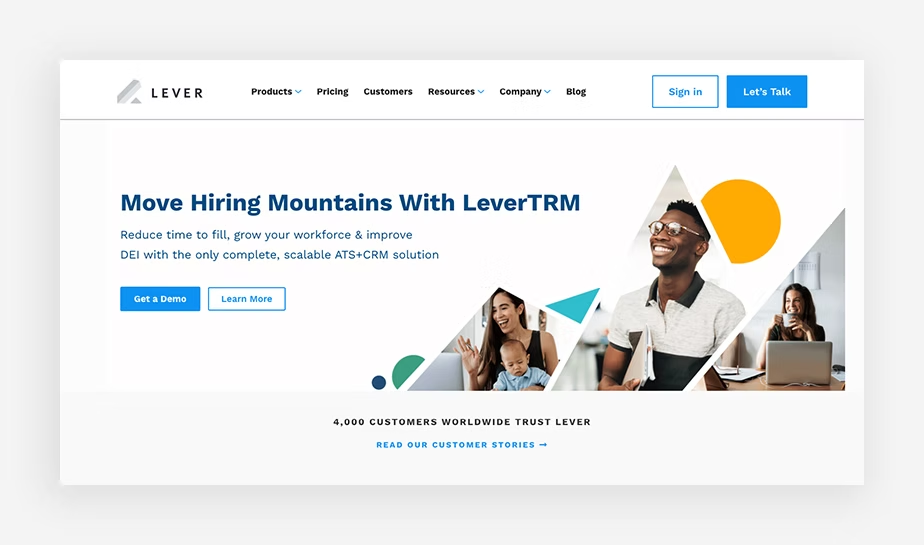
Strong calls to action
CTA clarity matters more than color.
Tests across SaaS and ecommerce sites consistently show higher conversion rates when CTAs:
- Describe the next step clearly
- Emphasize value or outcome
- Reduce perceived commitment
For example, “Start free trial” typically outperforms “Get started,” while “Book a 15-minute demo” outperforms “Contact sales.”
Objection handling
Users rarely convert without hesitation. Common objections include price, time investment, fit, and risk.
High-performing pages proactively address these objections through FAQs, comparison tables, guarantees, and contextual messaging.
Conversion rate optimization as an ongoing system
The biggest misconception about CRO is that it is a one-time effort.
High-performing companies treat conversion rate optimization as an ongoing system, not a project. They continuously:
- Collect qualitative and quantitative data
- Identify high-impact opportunities
- Prioritize changes based on effort and impact
- Test and measure outcomes
- Feed learnings back into design and messaging
According to Forrester research, companies with mature experimentation programs grow revenue at a faster rate than competitors who do not test regularly.
The challenge is operationalizing this process without overwhelming teams.

How Cromojo simplifies conversion rate optimization
Many CRO initiatives fail because insights, decisions, and execution live in disconnected tools.
Cromojo is built to reduce that fragmentation and make conversion rate optimization more practical for real teams. As a comprehensive conversion rate optimization tool, Cromojo helps improve website performance and enables effective conversion tracking, allowing businesses to analyze user actions, monitor key metrics, and optimize their sites for better results.
Instead of relying on guesswork or scattered data, Cromojo helps businesses identify where conversions are being lost and prioritize changes that are most likely to drive impact. By structuring the CRO workflow, teams spend less time debating ideas and more time acting on evidence.
This approach is especially valuable for growing businesses that want CRO discipline without needing a full in-house experimentation team.
When conversion rate optimization becomes easier to execute, it becomes easier to scale.
Next steps: turning CRO into measurable growth
If you are already investing in traffic, conversion rate optimization is not optional. It is the lever that determines how much value you extract from every visitor.
Even small improvements can produce meaningful revenue gains when applied consistently.
If you want to understand where your conversion opportunities are and how to prioritize them effectively, the next step is a focused conversation.
👉 Explore how Cromojo can help you turn conversion rate optimization into a repeatable growth engine.