

.png)
In the world of digital marketing, SEO plays an indispensable role in driving traffic and visibility for your website. The evolution of the web and search engines has significantly shaped modern SEO strategies, requiring businesses to adapt to changing technology and user behavior. News and blogs are key sources of fresh content, and their frequent updates can influence search rankings by enabling faster indexing and improved visibility. You can learn more about content freshness and how it affects rankings in resources like Google’s guidance on search indexing
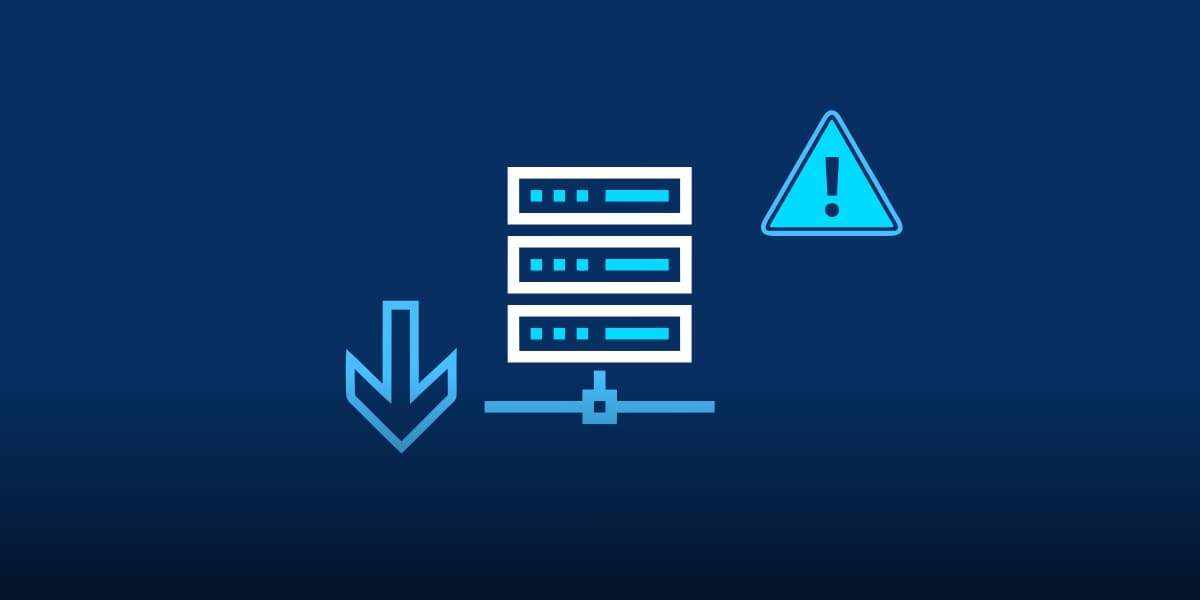
However, even a brief website downtime can severely impact your search rankings and overall search experience optimization. Search engines like Google prioritize delivering reliable and accessible content to internet users. When your site becomes unreachable, it disrupts this process, causing Google and other major search engines to reconsider your site’s trustworthiness and relevance. Understanding how SEO is affected by website outages is of utmost importance for any business or company aiming to maintain a strong online presence.
How Google Handles Unreachable Sites
When Google’s crawlers visit your site, they attempt to access each URL to index and rank your web pages appropriately in the search engine results. If Googlebot encounters an inaccessible page, the response depends largely on the server’s status code and the duration of the outage. Well-structured directories can help Google efficiently crawl and index your site, making it easier for search engines to organize and access your content. Initially, Google temporarily backs off from crawling the site to avoid overloading your server, especially if it detects repeated failures. During this period, the page might be marked as “soft unavailable,” signaling a temporary issue without immediate penalty.
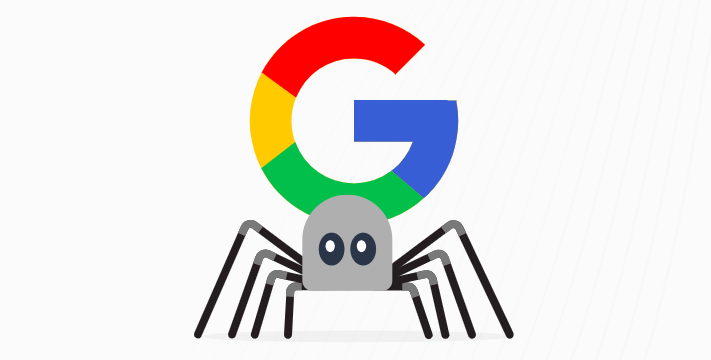
However, if the downtime continues and Google cannot reliably access your content, it begins removing URLs from Google’s index. This process directly harms your SEO because fewer pages from your domain appear in search results, reducing your site’s visibility to users. Additionally, downtime makes it harder for Google and users to discover your content, further limiting your reach and impact. Moreover, persistent inaccessibility causes Google to view your domain as unstable or low quality, weakening your site’s SEO signals and negatively affecting rankings. Therefore, Google’s index and crawl budget management are closely tied to your site’s uptime and server reliability.
Short vs. Prolonged Downtime Effects on Rankings
Not all website outages have the same impact on your SEO performance. The length of downtime plays a crucial role in determining how search engines respond and how your rankings fluctuate. The impact can also vary for each given page, depending on its importance and accessibility.
Short Downtime: Usually Under a Few Hours
Brief outages are generally treated by Google as temporary blips. While rankings may experience slight fluctuations during this time, they typically recover quickly once the site is back online. However, repeated short outages can accumulate, signaling reliability issues to search engines and potentially harming your SEO over time. Maintaining consistent uptime is key to avoiding these cumulative effects. There are various methods to quickly restore service and minimize SEO impact during short outages.
Medium Downtime: Several Hours to One Full Day
When downtime extends to several hours or up to a full day, Googlebot begins to slow its crawl frequency on your site. Some pages might temporarily disappear from search engine results, especially if your most important URLs remain inaccessible. This reduction in crawl activity means new content or updates to existing pages may not be indexed promptly, and the inability to generate and surface new content can hinder your site’s SEO performance and ability to maintain or improve rankings.
Prolonged Downtime: Beyond 24 to 48 Hours
Extended outages beyond one or two days cause serious SEO damage. Google starts removing URLs from its index, leading to significant drops in rankings across your entire domain. Additionally, your crawl budget is negatively affected as Google deprioritizes unstable sites, making it harder for new or updated content to be discovered and indexed. Recovery from prolonged downtime can take weeks, emphasizing the importance of rapid response and resolution to minimize SEO losses. After extended outages, it also becomes much more difficult for search engines to surface content from your site in search results.
Proper Status Code Usage: 503 vs. 404
Correct server responses are essential in helping search engines understand the status of your site and its pages during downtime or content changes. Additionally, ensuring that your site's HTML structure accurately reflects the status of each page can further assist search engines in interpreting your content and improve overall SEO.
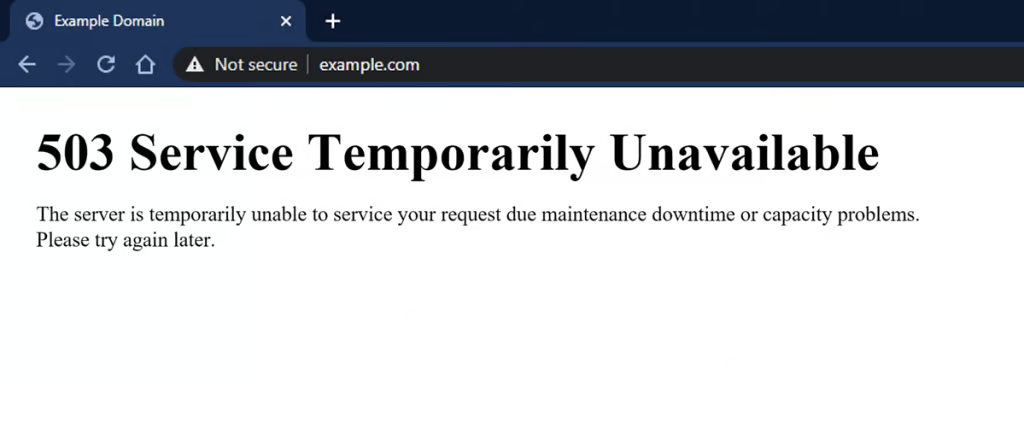
503 Service Unavailable
The 503 status code is the recommended response during planned maintenance or temporary server issues. It informs Google and other search engines that the site or page is temporarily unavailable but will be accessible again soon. Using a 503 prevents your URLs from being deindexed, as Google knows to return later and recrawl the content. This practice aligns with Google’s guidelines for managing downtime and protecting your SEO.
Automated programs can help ensure the correct status codes are returned during maintenance, reducing the risk of SEO issues.
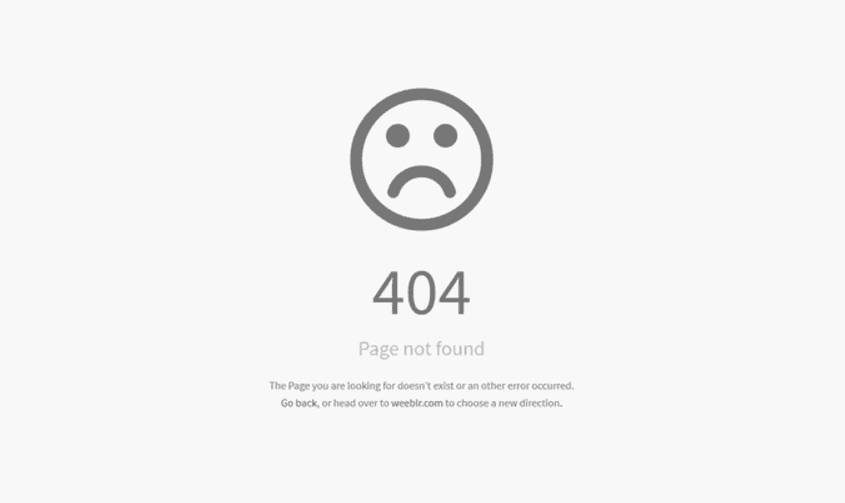
404 Not Found
A 404 status code should be used only when content has been permanently removed or is no longer available.
Serving the same content on multiple URLs can confuse both users and search engines. To avoid issues with duplicate content, ensure that only one canonical URL serves the same content by using proper redirects or canonical tags.
When Google encounters a 404, it understands that the URL should eventually be removed from the index. Misusing 404s during outages can lead to unnecessary loss of indexed pages and harm your search engine rankings.
Bonus: Avoid Soft 404s
Soft 404s occur when a server returns a 200 OK status for a page that is actually broken, empty, or missing meaningful content. This confuses Google’s crawlers and can severely damage SEO performance. Always ensure that error pages return the proper status codes so that search engines can accurately interpret the state of your web pages. Adhering to search engine spam policies helps prevent issues with soft 404s and maintains your site's SEO health.
Measuring SEO Performance After Downtime
Measuring SEO performance after downtime is essential for regaining lost ground. Google Analytics is a key tool for this process. Their official training hub is here: Google Analytics documentation.
When your site experiences an outage, it disrupts the flow of information between your web pages and search engines, making it harder for users to find helpful content through search queries. To ensure your search engine optimization efforts remain effective, it’s crucial to assess the impact of downtime and take strategic steps toward recovery.
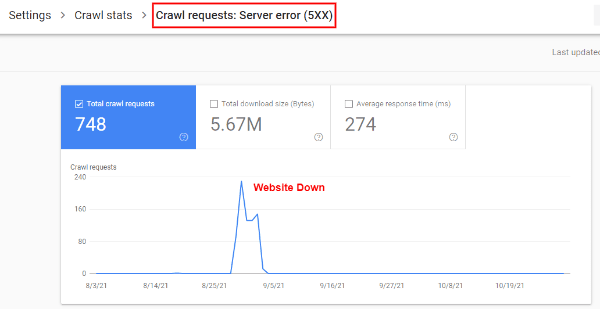
Start by analyzing your website’s traffic data using tools like Google Analytics. Look for sudden drops in user visits, paying close attention to which pages or sections were most affected. This data-driven approach helps you pinpoint where your search engine rankings may have suffered and which areas require immediate attention. Next, review your site’s performance in search engine results pages (SERPs) by tracking your primary keywords and noting any significant changes in position. This will help you understand how major search engines like Google have responded to your downtime.
Keyword research is another vital step in the recovery process. Monitor changes in search queries related to your business or industry, as downtime can sometimes shift user behavior or search intent. By identifying new opportunities or gaps, you can adjust your content strategy to better align with what your audience is searching for. Use Google Search Console to check for crawl errors, indexing issues, and to ensure that your most important pages are being properly discovered and ranked by search engines.
Optimizing content after downtime is of utmost importance. Audit your site for broken links, missing pages, or duplicate content that may have resulted from technical issues. Focus on creating and updating high-quality, relevant content that addresses your audience’s needs and helps search engines understand the value of your website. Don’t forget to review technical SEO elements such as structured data, meta tags, and header tags to ensure they are correctly implemented and sending the right signals to search engines.

User experience should also be a top priority during your recovery efforts. Make sure your website is mobile-friendly, loads quickly, and offers intuitive navigation. A positive user experience not only helps retain visitors but also signals to search engines that your site is trustworthy and valuable.
Finally, consider the impact of downtime on your link profile. Other sites may have removed or updated links to your pages during the outage, which can affect your authority and rankings. Rebuild lost links by creating compelling content that others want to reference, and reach out to webmasters to restore valuable backlinks.
By focusing on these key areas—traffic analysis, keyword research, content optimization, technical SEO, user experience, and link building—you can effectively measure and improve your SEO performance after downtime. Remember, search engine optimization is an ongoing practice that requires regular monitoring, adaptation, and a commitment to providing the best possible experience for your users and search engines alike.
Cromojo Insight: Real Time Monitoring to Protect SEO

Many website outages go unnoticed until a significant drop in search engine rankings reveals a problem. This is why real-time monitoring tools like Cromojo are vital for businesses that rely on search engine traffic. Cromojo continuously monitors your domain at tight intervals, checking uptime and alerting you immediately when downtime begins.
Website downtime can also disrupt the display of ads, leading to lost potential revenue and a negative user experience.
By detecting issues quickly, you can address server problems before Google crawlers encounter inaccessible pages, preventing ranking drops. Cromojo also helps identify outage patterns, track historical downtime data, and avoid crawler errors that could trigger penalties in Google’s index. For companies focused on digital marketing success and search engine marketing, such monitoring tools provide an invaluable early warning system to maintain a positive user experience and strong SEO performance.
Recovery Checklist for Rankings
If your site has experienced downtime, following a structured recovery plan is essential to stabilize and restore your SEO rankings:
- Confirm that your server returns the correct status codes, especially 503 for temporary outages and 404 only for permanently removed content.
- Identify and fix the root cause of the outage, whether it involves hosting issues, DNS problems, or faulty code.
- Use Google Search Console to check for crawl errors and server availability reports, ensuring Google can access your site properly.
- Resubmit affected pages or request recrawls for your most critical URLs to speed up their reindexing.
- Monitor your site’s performance closely for at least a week, including uptime logs and search engine rankings.
- Improve your site’s reliability by upgrading hosting services or implementing a Content Delivery Network (CDN) to reduce downtime risks.
- Track ranking fluctuations as Google processes your content again and restores your visibility in search engine results.
There are many free resources and tools available online to help with SEO recovery, including guides, checklists, and analytics platforms. Implementing tips from SEO experts, as well as integrating pay per click and social media marketing strategies, can accelerate recovery. Creating content and writing content that is relevant and valuable to your audience is also crucial during this process. Keep in mind that some SEO issues, such as link loss or duplicate content, can occur on a massive scale and require systematic approaches to resolve.
The quicker you respond to and resolve downtime issues, the faster Google can reinstate your site’s normal rankings and maintain a positive search experience for users.
.png)